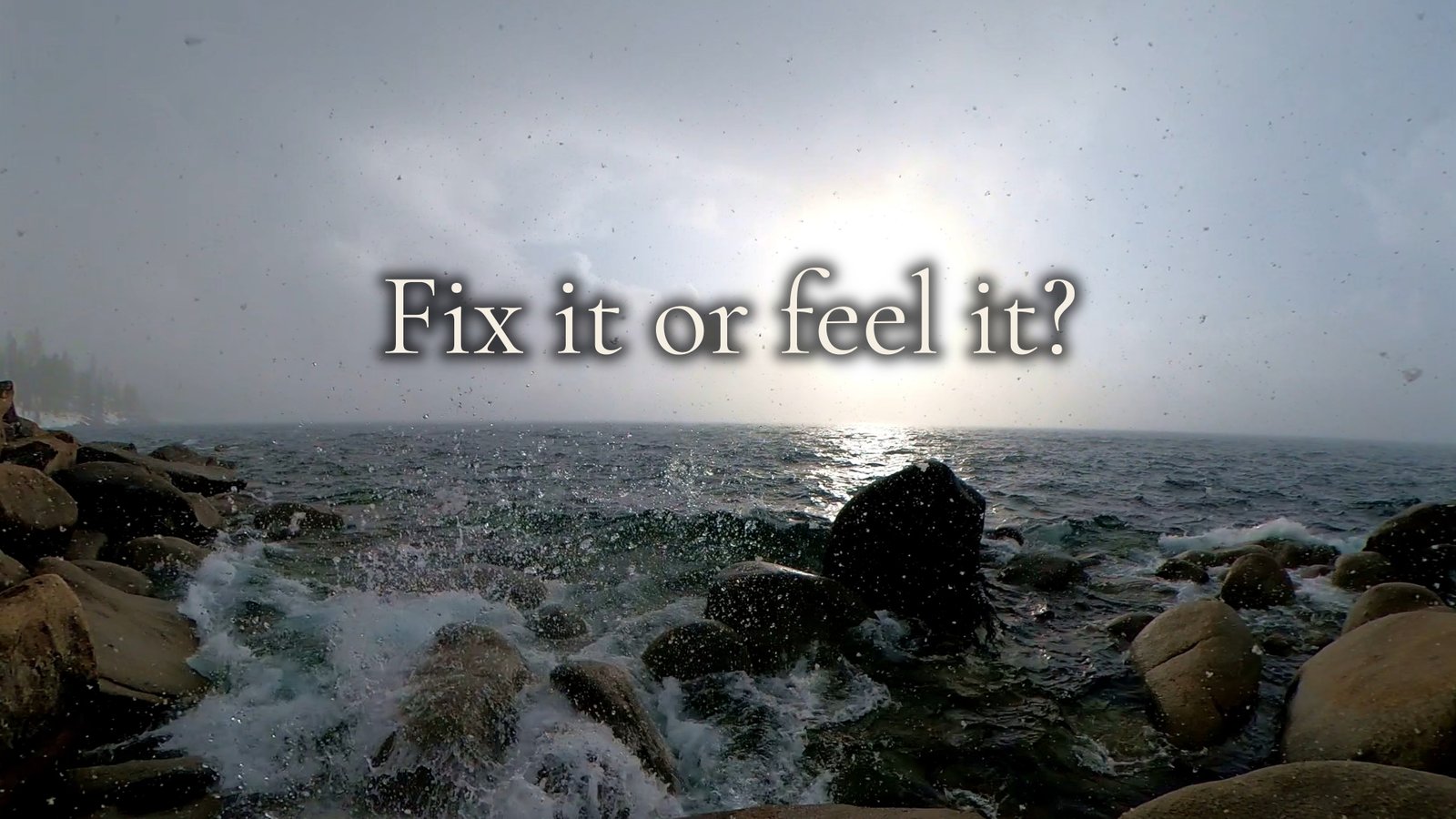
How Overthinking, Clenching, and Collapsing Prolong Painful Emotions — Emotional Reap-Activity

Emotions have lifecycles: a beginning, a middle, and an end. But it’s not until we’re most of the way through an emotion that the truest, most valuable wisdom about what it means comes to us. The common instinct is to get rid of the emotion before it runs even half of its course. We pick the fruit before it’s ripe. We could even call it emotional reap-activity, because we reap too soon, before the vital wisdom has a chance to develop. This part looks at the second arrows we shoot at ourselves internally, in our thoughts and in our bodies. Worry, rumination, and self-criticism are often thought of as emotions, but they’re actually subtle relief-seeking reactions that disrupt the emotion lifecycle. Each one comes with a pattern in the body, either revving up into tension or shutting down into heaviness and numbness. I also share a simple practice I use for dislodging somatic second arrows.

0 Comments

How Long Should Hard Emotions Last? (Part 1) — The Two Arrows

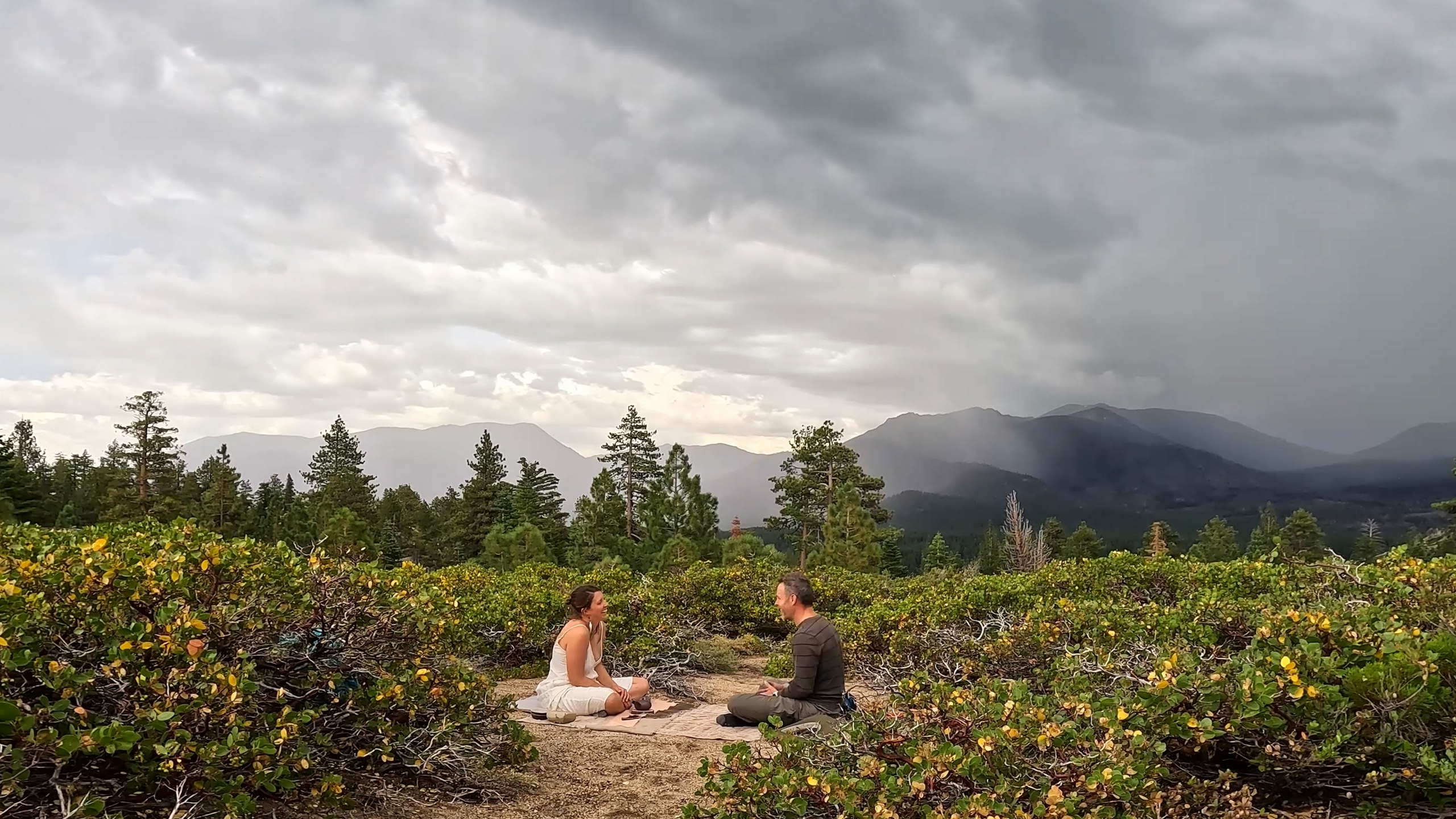
How long should hard emotions last? In 18 years of practice, almost every client has asked me some version of that question, though usually not directly. Sometimes it sounds like "I feel my pain all the time, I should be feeling less of it, not more." Sometimes it's "I don't really do the feels." My answer begins with the Buddhist parable of the two arrows. The first arrow is the pain life shoots at us, big or small. The second arrow is the one we shoot at ourselves, trying not to feel the first. Second arrows can be cognitive, somatic, behavioral, or relational. Responding to an emotion isn't inherently a problem. What makes a response a second arrow is whether it's aimed at avoiding the feeling or metabolizing it. I also address why "which path involves less pain?" may not be the most useful question, and what liberation means if it isn't freedom from pain. This is Part 1 of a series.

0 Comments

Three pillars of a nourishing relationship (part 3): individual healing

In a relationship, it’s easy to attribute the pain of our individual wounds to a partner.  They say something hurtful, and we hurt.  They leave, and we feel lonely.  They smother us, and we feel trapped.  It’s just an obvious case of cause and effect, right?  What more to it could there be? That’s what we think, at least, until we break up and, months later, are still feeling similar hurt, loneliness, suffocation, or whatever else we were feeling when they were around.  Only this time they aren’t around to attribute it to.  That can motivate us to look inward and question how fair we were to them, and where all those feelings actually come from.

Comments Off on Three pillars of a nourishing relationship (part 3): individual healing

Cutting the strings that bind us (The Free Oscar Project)

Oscar first introduced himself to me on a beautiful sunny day in the early and snowy winter. I was struck by how close he came to me, and how he seemed small and conspicuously alone.   In retrospect, at the time, it felt a bit like looking in a mirror-perfect reflection of a calm lake. A friend later told me that he likely had been abandoned by his flock, since Canadian Geese are usually social animals.  I didn’t know if that was true, but the possibility wrenched my heart.

0 Comments